
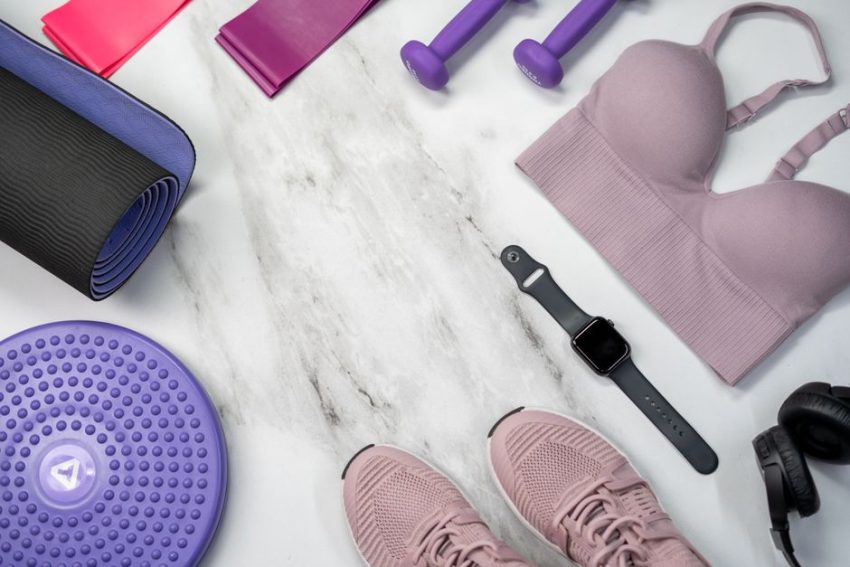
Most stress management kits are garbage. They are a marketing exercise. A lavender candle, a bath bomb, and a journal with a motivational quote on the cover. That is not stress management. That is a gift basket for someone you do not care about.
A real stress management kit is a set of tools that interrupt the body’s stress response. It should lower cortisol, activate the parasympathetic nervous system, and give you something concrete to do when your mind is spinning. This article covers what actually belongs in one, what to skip, and how to use it without turning it into another chore.
Why Most Stress Kits Fail: The Physiology Problem
Stress is not a mood. It is a physiological state. When your brain perceives a threat, the hypothalamus signals the adrenal glands to release cortisol and adrenaline. Heart rate goes up. Breathing gets shallow. Digestion slows. Blood moves to your limbs. This is the fight-or-flight response. It was designed for short bursts — running from a predator, not refreshing your email at 11pm.
The problem with most stress kits is that they target the feeling of stress, not the mechanism. A scented candle smells nice. It does not lower your heart rate. A gratitude journal might shift your focus, but if you are in a full sympathetic nervous system activation, writing down three things you are thankful for is like trying to read a book during a fire alarm.
Your kit needs to do one of three things:
- Down-regulate the nervous system — slow the heart rate, deepen breathing, activate the vagus nerve.
- Interrupt the cognitive loop — break the cycle of rumination and catastrophic thinking.
- Create a physical anchor — give your body a sensation that signals safety, not threat.
If an item does not do at least one of those three things, it does not belong in the kit. Period.
The Vagus Nerve: Your Built-In Brake Pedal
The vagus nerve is the longest cranial nerve in your body. It runs from your brainstem down through your neck, chest, and into your abdomen. It is the main highway of the parasympathetic nervous system — the rest-and-digest response. When you stimulate it, your heart rate drops, blood pressure lowers, and your body shifts out of fight-or-flight.
You can stimulate the vagus nerve without any equipment. Slow, extended exhales work. So does humming. So does splashing cold water on your face. But there are also tools that make it easier. The Dodow sleep aid device ($60) is a small puck that projects a pulsing blue light onto your ceiling. You sync your breathing to the light — inhale for 4 seconds, exhale for 6 seconds. That extended exhale is the key. It activates the vagus nerve and slows your heart rate within minutes. It is marketed for sleep, but it works just as well for daytime stress spikes.
Breathing Is a Lever, Not a Suggestion
You have heard “just breathe” a thousand times. It sounds useless. But here is the thing: breathing is the only autonomic function you can consciously control. You cannot tell your heart to slow down. You can tell your diaphragm to move differently. And when you do, your heart follows.
The most effective pattern for acute stress is called physiological sigh. It was popularized by neuroscientist Andrew Huberman, but the research comes from Stanford. It works like this:
- Take a deep inhale through your nose.
- Take a second, shorter inhale on top of the first — a “double inhale.”
- Exhale slowly and fully through your mouth.
Repeat that 3-5 times. The double inhale pops open collapsed alveoli in your lungs, and the long exhale activates the vagus nerve. It is the fastest non-pharmaceutical way to calm your nervous system. No equipment needed. But if you want a tool, the Moonbird breathing device ($199) is a handheld biofeedback device that measures your heart rate and guides your breathing in real time. It is expensive. The physiological sigh is free. Use the free version first.
Physical Tools That Earn Their Place
Some stress tools are backed by real research. Others are backed by Instagram ads. Here is the difference.
Weighted Blankets: Not Just a Trend
Weighted blankets work through deep pressure stimulation. Firm, even pressure on the body triggers the release of serotonin and dopamine — the same neurotransmitters involved in mood regulation — and reduces cortisol. A 2026 study in the Journal of Clinical Sleep Medicine found that weighted blankets significantly reduced insomnia severity in patients with psychiatric disorders. The effect is not huge, but it is real.
The Gravity Blanket ($195 for a 15lb queen size) is the best-known brand. But you do not need to spend that much. The YnM Weighted Blanket ($49-$79 depending on size) does the same thing with the same glass bead fill. The rule of thumb: choose a blanket that is roughly 10% of your body weight. A 150lb person should get a 15lb blanket. Do not go heavier thinking more is better. Too much weight feels suffocating and can increase anxiety.
Bottom line: weighted blankets are a legitimate tool for evening stress and sleep. They are not a daytime solution. You cannot walk around wrapped in a 15lb blanket.
Acupressure Mats: Weird but Effective
An acupressure mat looks like a torture device. It is a foam mat covered in thousands of small plastic spikes. You lie on it for 10-20 minutes. It hurts for the first 30 seconds. Then something shifts.
The spikes create a controlled stress response. Your body releases endorphins to counteract the discomfort. Blood flow increases to the area. After a few minutes, most people report a deep sense of relaxation. The ProsourceFit Acupressure Mat ($30) is the budget standard. The Shakti Mat ($70) uses higher-density spikes and better materials.
I was skeptical. The research on acupressure is mixed. But the subjective experience is consistent — it forces you to stop doing anything else. You cannot scroll your phone while lying on a bed of spikes. That forced stillness is part of the value.
Skip it if: you have thin skin, bleeding disorders, or an aversion to discomfort. This is not a gentle tool.
The Cognitive Layer: Interrupting the Loop
Physical tools calm the body. But stress also lives in the mind. Rumination — the endless replaying of a problem — is a cognitive loop. You need tools that break it.
Brain Dumps: Ugly, Fast, and Effective
A brain dump is not journaling. Journaling implies reflection, insight, narrative. A brain dump is just getting everything out of your head onto paper as fast as possible. No structure. No complete sentences. No attempt to be meaningful.
Why it works: your brain holds onto thoughts because it is afraid of forgetting them. When you write them down, you signal to your brain that the thought is stored. It can let go. This is called the Zeigarnik effect — incomplete tasks occupy more mental space than completed ones.
Use a plain notebook. The Moleskine Classic Notebook ($20) is fine. A 99-cent spiral notebook is also fine. The tool does not matter. The act does.
Worry Time: Scheduling Your Anxiety
This sounds absurd. It works. Set a timer for 15 minutes. During that 15 minutes, worry as hard as you can. Write down every worry, every worst-case scenario, every catastrophic thought. When the timer goes off, you are done. Any worry that comes up outside of that window gets written down and deferred to the next worry time session.
This is a technique from cognitive behavioral therapy. It works because it contains the worry. It gives it a boundary. Most people find that when they sit down for their scheduled worry time, the worries feel smaller than they did at 3am.
No product needed. Just a timer. Your phone has one.
What to Skip: The Anti-Kit List

This section is short. That is the point.
- Essential oil diffusers — Aromatherapy has weak evidence for stress reduction. Lavender oil may have a mild calming effect, but it is not going to pull you out of a panic spiral. If you like the smell, fine. Do not count on it.
- Adult coloring books — Coloring is mildly distracting. It is not a stress management tool. It is a hobby. Call it what it is.
- Stress balls — Squeezing a foam ball does not lower cortisol. It might give you a stronger grip. That is not the goal.
- Motivational water bottles — Drinking water is good. Your water bottle does not need to tell you to “crush it.”
Every item in your kit should earn its place. If you cannot explain how it reduces stress — the mechanism, not the vibe — remove it.
A 10-Minute Protocol: Using the Kit Under Pressure
Here is the workflow. This is what you do when stress spikes — before a presentation, after a hard conversation, at 2am when you cannot sleep.
| Minute | Action | Tool | Mechanism |
|---|---|---|---|
| 0-2 | Physiological sigh x5 | None (or Dodow for pacing) | Vagus nerve activation, heart rate drop |
| 2-4 | Brain dump — write everything in your head | Notebook | Zeigarnik effect, cognitive offload |
| 4-9 | Lie on acupressure mat or under weighted blanket | ProsourceFit mat or Gravity blanket | Deep pressure, endorphin release |
| 9-10 | One slow exhale, then decide next action | None | Parasympathetic anchor |
This is not a spa routine. It is a system. The order matters. You calm the body first, then offload the mind, then use physical sensation to anchor the calm state. If you try to think your way out of stress before calming your body, you are fighting an uphill battle.
The kit is not the point. The protocol is the point. A $200 Moonbird device does nothing if you do not use it. A free physiological sigh works every time if you actually do it. Build the habit first. Add tools only when they serve the habit.
This is not medical advice. If your stress is chronic, interfering with your life, or accompanied by panic attacks, see a licensed therapist. A kit is a supplement, not a substitute.
Medical Disclaimer: This content is for informational purposes only and does not constitute medical advice. Always consult a qualified healthcare professional before making health-related decisions.