

How do you keep walking when the daylight disappears before dinner and your usual route feels cold, wet, or unsafe? The answer is not a heroic 10,000-step target. It is a routine built around light, time, weather, and recovery.
Autumn walking works best when you treat it like a household budget: set a realistic baseline, track the leaks, and make small adjustments before the plan collapses. This is not financial advice, and it is not medical advice. It is general wellness information for healthy adults; ask a clinician before changing activity if you have a heart, joint, balance, or breathing condition.
Why do daily steps fall when autumn arrives?
Is the problem motivation or daylight?
Usually, daylight is the first constraint. In summer, a missed lunchtime walk can move to 7 p.m. In autumn, that same delay may put you outside in darkness, rain, or heavy traffic. The routine then looks like a motivation problem, but the real issue is poor timing.
Shorter days also remove small movement that people barely count: walking to an outdoor café, taking a longer route home, standing in a garden, or browsing a shop after work. A drop of 1,500 to 3,000 steps can happen without any deliberate decision to become less active.
What should you measure first?
Measure your normal weekday total for seven days before setting a new target. Do not use your best Saturday as the baseline. If your average is 5,200 steps, a useful first target may be 5,700 to 6,000, not 10,000. That 500-to-800-step increase takes roughly five to eight minutes for many adults and gives you a target you can repeat.
The clear verdict: fix the calendar before blaming your discipline. Put the main walk inside daylight hours, then use short indoor movement to cover the gap.
How can you build a walking plan that survives darker evenings?
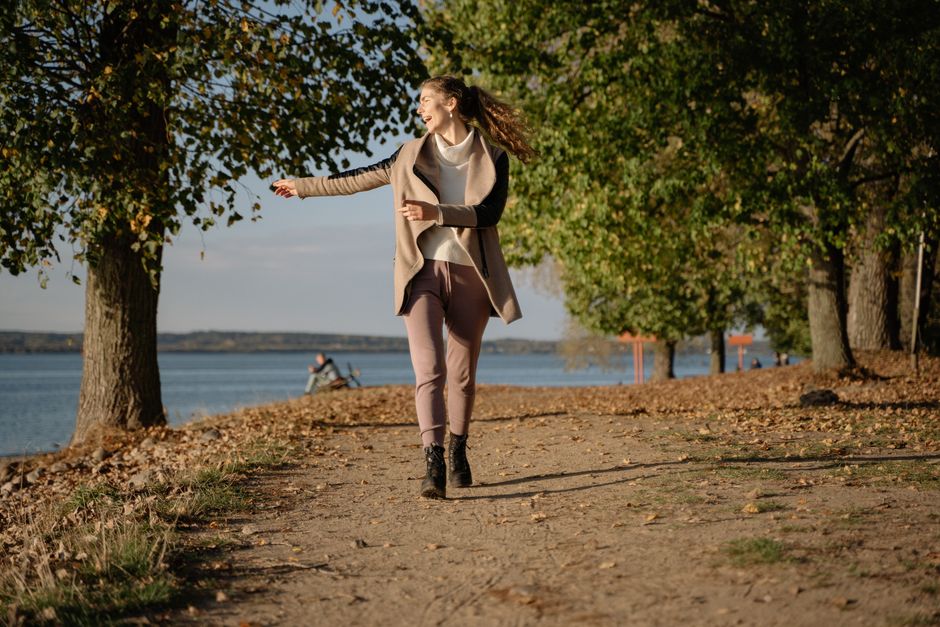
Use three fixed walking slots
- Morning anchor: Walk for 8 to 12 minutes after breakfast, even if the route is short. This creates an early minimum before meetings, errands, or bad weather take over.
- Daylight block: Place the longest walk near solar noon or during your lunch break. Aim for 20 to 30 minutes on three to five weekdays.
- Indoor backup: Keep a 10-minute hallway, stairwell, treadmill, or shopping-centre route ready. A backup is not a failure; it is part of the plan.
Raise steps in small weekly increments
Add 500 to 1,000 steps to your average every one or two weeks. At a typical pace, 1,000 steps takes about 8 to 12 minutes, but hills, joint pain, and walking speed change that estimate. If your legs feel heavy for two days after the increase, hold the target for another week instead of pushing higher.
Use a simple rule: two short walks beat one perfect walk that never happens. A 10-minute morning walk plus a 12-minute lunch walk can create more reliable movement than waiting for a free 40-minute block.
Make the route boring on purpose
Choose one safe loop with known lighting, toilets, and a dry shelter nearby. Save novelty for weekends. The weekday route should require almost no decision-making, because every extra choice makes a dark, cold evening easier to skip.
How many steps should you aim for in autumn?
Set the target from your own baseline
There is no single autumn step number that fits every adult. A useful target is the smallest increase that improves movement without creating soreness that stops the routine. Use this schedule as a starting point.
| Current weekday average | First target | Extra walking time | Review point |
|---|---|---|---|
| Under 4,000 steps | 4,500 steps | 4 to 7 minutes | After 10 to 14 days |
| 4,000 to 6,000 steps | 6,000 to 6,800 steps | 7 to 12 minutes | After 10 to 14 days |
| 6,000 to 8,000 steps | 7,000 to 8,500 steps | 8 to 15 minutes | After 14 days |
| Over 8,000 steps | Add 500 steps | 4 to 6 minutes | After 14 days |
Do not treat 10,000 as a pass-or-fail line
Ten thousand steps is a popular round number, not a moral score. For someone starting at 3,500 steps, reaching 5,000 consistently may be a better autumn result than chasing 10,000 for one week and quitting after the first storm. Track weekly averages and the number of walking days, not just the biggest daily total.
My recommendation: raise the target only after you have completed it on at least five of seven days for two weeks. Consistency is the useful metric here.
Which walking gear is worth adding when daylight shrinks?
Choose visibility before gadgets
My strongest recommendation is reflective visibility before a step tracker. A reflective vest, bright outer layer, and small front-and-rear lights solve a safety problem that an app cannot solve. Wear shoes with a stable sole, keep your phone charged, and select routes with pavements rather than relying on drivers to see dark clothing.
Water-resistant shoes can help in persistent rain, but expensive waterproof footwear is not automatically the right purchase. If you walk mostly on paved streets for 15 minutes, a comfortable pair with a grippy outsole may be more useful than stiff hiking boots. Do not buy specialised gear for a route you have not yet walked consistently.
Use a tracker only if feedback changes your behaviour
The Fitbit Charge 6 combines built-in GPS with a manufacturer-rated battery life of up to seven days. It is the best fit for someone who wants route tracking and a simple daily total without charging every night. The Garmin vívosmart 5 also lists up to seven days of battery life, but it uses connected GPS through a phone, so it is less suitable if you want to leave your phone at home.
The Apple Watch SE offers built-in GPS and up to 18 hours of battery life. It is the better choice for someone already using an iPhone who wants safety features, calls, and exercise tracking in one device. It is not the best value for a walker who only needs steps and a route.
Bottom line: buy reflective equipment first. For a simple tracker, choose Fitbit Charge 6; for broader smartwatch functions with an iPhone, choose Apple Watch SE.
What are the most common autumn walking mistakes?
Do people start too hard after a quiet summer?
Yes. A common mistake is jumping from 3,000 weekday steps to 10,000 because a fitness app labels the higher number as the goal. The result is sore feet, poor sleep, or a knee that hurts on stairs. Reduce the target, keep the walking frequency, and add distance only after your body handles the current load.
Which weather decisions usually break the routine?
- Waiting for perfect weather: Set a rain threshold in advance. Light rain means a shorter route and a waterproof layer. Thunder, icy surfaces, or strong winds mean an indoor backup.
- Walking in darkness without a visibility plan: Move the walk earlier, choose a lit route, and wear reflective material. If the route feels unsafe, change the route instead of trying to be tougher.
- Ignoring foot pain: Stop if pain changes your stride, becomes sharp, or worsens during the walk. Persistent pain deserves medical assessment.
- Counting only one long walk: Two 10-minute walks can maintain the habit when a 45-minute block is unavailable.
The best fix is to decide the fallback before the weather changes. A routine with no backup is a wish, not a routine.
When should you skip the walk or change the plan?
Should you walk through mild discomfort?
Mild effort is normal; altered movement is not. If your calves feel worked but your stride stays normal, reduce pace or duration and monitor the next day. If you have swelling, chest pain, faintness, unusual shortness of breath, or pain that changes how you walk, stop and seek appropriate medical help. A step count is never worth turning a manageable problem into an injury.
When is an indoor walk the better choice?
Choose indoors when darkness, ice, poor visibility, or severe weather makes the route unsafe. Marching through a hallway, walking laps in a large building, using stairs at a controlled pace, or taking a treadmill walk can preserve the habit. You do not need to copy the outdoor distance exactly. The goal is to keep regular movement while removing the hazard.
If you dislike tracking, do not buy a device. Use three calendar checkmarks per day: morning movement, daylight walk, and evening reset. If you already own a tracker, turn off alerts that make missed goals feel like failure and keep only the data that changes your decisions.
Bottom line: the best autumn walking routine is a modest weekday target, a daylight-first schedule, and a safe indoor substitute. Build around the season you actually have, and daily steps become easier to keep when the clocks change.
Medical Disclaimer: This content is for informational purposes only and does not constitute medical advice. Always consult a qualified healthcare professional before making health-related decisions.