
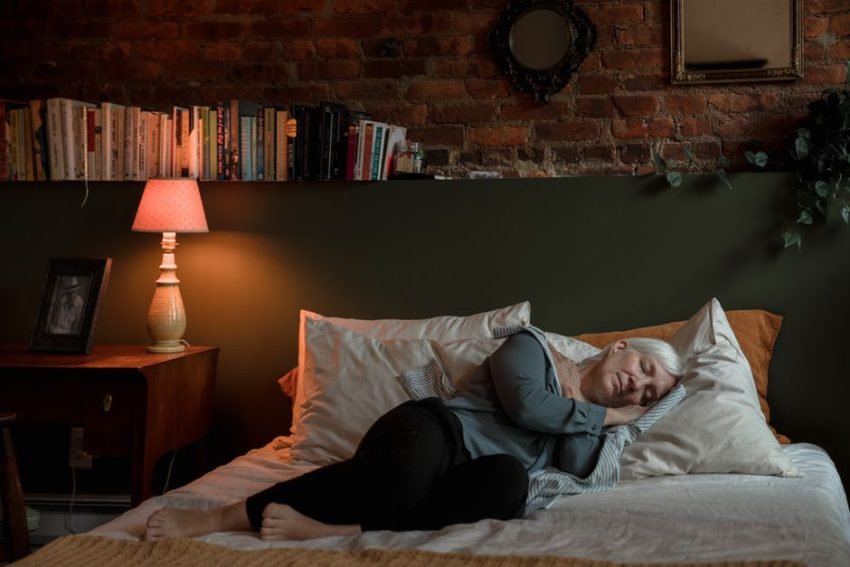
By late October, the sky can be dark before dinner. You finish work, turn on every lamp in the house, scroll through messages, and still expect your body to feel sleepy at 10 p.m. That plan often fails because darkness outside does not automatically create a calm sleep signal inside.
The best starting point is simple: keep your wake time steady, then build a 60- to 90-minute wind-down around lower light, less stimulation, and a bedroom that supports sleep. Adults typically need 7 to 9 hours, but a routine works only when it leaves enough time for that sleep opportunity.
Build a 90-minute wind-down plan you can repeat

The sequence for a 10 p.m. bedtime
- 8:30 p.m. Finish demanding work, news, arguments, and household planning. Write tomorrow’s three most important tasks on paper so they do not keep circling in your head.
- 8:45 p.m. Dim overhead lighting. Switch to one or two warm, low lamps. Put the phone on charge outside arm’s reach if you can.
- 9:00 p.m. Take a warm shower, wash your face, or change into sleep clothes. Repeating the same physical cues helps the routine become automatic.
- 9:20 p.m. Read a calm paper book, stretch gently, listen to quiet audio, or practice slow breathing. Avoid work email and emotionally intense entertainment.
- 9:45 p.m. Enter the bedroom, set the alarm, and keep the room ready for sleep. Do not turn bedtime into a performance test.
- 10:00 p.m. Turn out the light when you feel sleepy. If sleep does not arrive, stay relaxed rather than checking the clock every few minutes.
Keep the anchor, not every detail
This schedule is a template, not a rule imposed by a court. The wake time and the reduction in stimulation matter most. A 20-minute routine followed every night is more useful than a perfect 90-minute routine followed twice a week. If family care, shift work, or medication changes your schedule, keep the same order of steps and adjust the clock times.
NHLBI recommends a quiet period before bed and warns that caffeine can affect sleep for up to eight hours. That makes a consistent sequence more useful than a collection of sleep gadgets.
Light timing matters more than buying a darker room
Use evening light to signal a transition
The strongest practical move is to reduce bright light during the final hour before bed, then seek outdoor light after waking. Light entering the eyes helps set the sleep-wake cycle. Morning light supports a clear daytime signal; bright light late at night can push alertness in the opposite direction.
Do not treat every screen as equally harmful. The content matters too. A stressful work message can raise alertness even when the screen is dim. A short, calm task may be less disruptive than an hour of intense video content. The recommendation is to remove the most activating behavior first, then reduce screen brightness and distance the device from your face.
Use a lamp without turning the room into a clinic
Choose the lowest light that lets you move safely and read comfortably. Warm-colored lamps can feel less harsh, but color alone does not make bright light harmless. A very bright amber bulb can still keep the room active. Point lamps toward walls instead of directly at the bed, and turn off decorative lighting that remains in your peripheral vision.
For people who wake before sunrise, outdoor morning light may be difficult during winter. A light box can help some people, but timing and medical history matter. People with bipolar disorder, eye disease, migraine sensitivity, or medicines that increase light sensitivity should ask a clinician before using bright-light treatment.
Do not chase total darkness at the expense of safety
Blackout curtains are useful when streetlights or early sunrise wake you. They are not a cure for a late bedtime, caffeine, or an active mind. The best room is dark enough to prevent repeated interruption while still safe for walking. A dim red or warm night-light near the floor is a sensible compromise for bathroom trips.
The evidence-based point is modest: control the timing and intensity of light, especially in the last hour before bed and the first part of the morning. No single lamp can replace a stable schedule.
Set practical cutoffs for caffeine, meals, alcohol, and exercise

The strongest recommendation is to set cutoffs before the evening begins. Waiting until you feel tired makes it easier to keep drinking coffee, eating heavily, or exercising hard at the wrong time.
| Factor | Practical cutoff | Why it helps |
|---|---|---|
| Caffeine | About 8 hours before planned sleep | Caffeine can remain active for much of the day. A 10 p.m. bedtime may require a 2 p.m. cutoff. |
| Large meal | Finish several hours before bed | Heavy food close to bed can cause discomfort or reflux. A small snack may be easier. |
| Alcohol | Avoid using it as a sleep aid | Alcohol may make you drowsy but can produce lighter, more broken sleep later. |
| Vigorous exercise | Finish when it still allows time to cool down | Hard late exercise raises body temperature and alertness for some people. |
| Nap | Earlier afternoon and no more than 20 minutes | Long or late naps can reduce the sleep pressure needed at night. |
These are starting points, not guarantees. A person who metabolizes caffeine slowly may need an earlier cutoff. Someone with reflux may need more time after dinner. Track the result for seven nights before changing several variables at once. That approach shows which behavior actually affects your sleep.
Sleep tools worth buying, and the ones to skip
Buy a tool only when it solves a specific obstacle. No product is required for good sleep hygiene, and a subscription cannot repair a schedule that changes every night.
Best choice for a dark winter morning
The Philips SmartSleep HF3520/60 is a reasonable sunrise-alarm example because it offers 20 brightness settings and five natural wake-up sounds. It may help someone who wakes before sunrise and wants a gradual cue instead of a sudden phone alarm. The verdict is clear: choose this type of device only when morning darkness makes waking difficult. It will not treat chronic insomnia.
Best choice for a guided routine
The Hatch Restore 2 combines a wind-down light routine with sound and a sunrise alarm. Its support materials list 13 free preloaded alarm sounds. That makes it useful for someone who wants one bedside device and does not mind app setup. Skip it if the phone connection, subscription options, or extra features would make bedtime feel like another task.
Best choice for light or noise intrusion
The Manta Sleep Mask has adjustable eye cups, which can help people who dislike pressure on the eyelids. Loop Quiet 2 earplugs list up to 24 dB of certified noise reduction. Neither should block safety alarms or replace treatment for loud snoring. For most people, curtains, a free paper routine, and a quieter phone location come first.
What should you do when the wind-down plan fails?

What if I am awake after 20 minutes?
Stop trying to force sleep. Leave the bed, keep the light low, and do a quiet activity until you feel drowsy. Return to bed then. This stimulus-control step protects the connection between bed and sleep. Do not turn the break into bright-screen time, online shopping, or clock checking.
What if I wake at 3 a.m.?
Keep the response boring and consistent. Use the bathroom if needed, avoid bright light, and return to bed. If worry is the problem, write one sentence about the concern and one next action for the morning. The goal is not to prove that you can sleep on command. It is to remove the signals that tell your brain the night has become a problem-solving session.
What if darker evenings make me sleepy too early?
Keep the room slightly brighter during the early evening, move gentle activity earlier, and protect your chosen bedtime. A short walk outside during daylight can also support a clearer day-night pattern. Do not use a large late meal or alcohol to stay awake. If early-evening sleepiness is severe, new, or paired with low mood, speak with a clinician.
When poor sleep needs medical attention
The verdict is straightforward: sleep hygiene is a foundation, not a complete treatment for persistent insomnia. If you regularly struggle to fall asleep, stay asleep, or feel rested despite enough time in bed, arrange a medical assessment. Chronic insomnia is often treated with cognitive behavioral therapy for insomnia, which combines sleep scheduling, stimulus control, relaxation, and work on sleep-related thoughts.
Seek prompt care for loud habitual snoring with gasping, witnessed breathing pauses, dangerous daytime sleepiness, sudden sleep attacks, unusual nighttime movements, or severe mood changes. A clinician can also review pain, reflux, menopause symptoms, thyroid problems, depression, anxiety, and medicines that affect sleep.
For general guidance, consult the National Heart, Lung, and Blood Institute sleep-habit recommendations, the CDC sleep guidance, and information on CBT-I from the American Academy of Sleep Medicine. This is general health information, not medical advice. This is not legal advice — consult a licensed attorney.
Medical Disclaimer: This content is for informational purposes only and does not constitute medical advice. Always consult a qualified healthcare professional before making health-related decisions.