
Alright, let’s cut through the noise. When I first started looking for a decent gluten-free dairy-free protein powder years ago, I fell for the biggest marketing trap: I thought “plant-based” automatically meant “good.” It doesn’t. Not even close. You can still end up with a gritty, bloating mess that tastes like blended dirt, even if it’s technically plant-based.
My journey through the world of plant proteins has been a long one, full of hits and many, many misses. I’ve choked down powders that made my smoothies resemble concrete and dealt with the infamous “protein bloat” far too many times. But through all that trial and error, I’ve learned what actually works, what delivers on taste and performance, and what’s just a waste of your money. I’m going to tell you exactly what to buy, and more importantly, what to avoid.
Addressing the “Gritty Taste” Myth: Why Most Plant Proteins Fail
Here’s the harsh truth: most plant-based protein powders taste like absolute garbage. Seriously. And it’s not just the taste; it’s the texture. That gritty, chalky mouthfeel is a common complaint, and it’s what turns so many people off plant proteins entirely. This isn’t just about pea protein or rice protein alone. It’s often about the blend, the processing, and critically, the other ingredients they throw in.
The biggest misconception I want to smash right now is that you have to settle for bad taste and terrible texture. You don’t. The reason so many brands fail here is a combination of poor ingredient sourcing, cheap processing methods, and a lack of understanding about flavor profiles. They might nail the protein count, but completely miss the mark on the user experience. I’ve spent years trying to find powders that mix well, taste genuinely good, and don’t make me feel like I’m chewing my drink. The good news? They exist, but you have to know what to look for.
The Pea Protein Problem: Not All Are Equal
Pea protein is the backbone of most gluten-free dairy-free powders. It’s got a great amino acid profile, but it’s also notorious for that earthy, sometimes bitter flavor, and its inherent grittiness. Cheap pea protein is the biggest offender. Brands that cut corners on their pea protein source often end up with a product that’s hard to mask, even with intense flavoring. Look for brands that specifically mention European or Canadian-sourced peas, often indicating a higher quality and less processed product.
Sweeteners and Gums: The Unsung Villains
Beyond the protein itself, the other ingredients matter immensely. Artificial sweeteners or even too much stevia can leave a bitter aftertaste. Gums like xanthan gum or guar gum are often added for thickening, but too much can make a shake slimy or even contribute to digestive upset. I’ve found the cleanest tasting powders use minimal sweeteners and avoid excessive gums. Some brands use monk fruit, which I find to be a much cleaner flavor than stevia, especially in higher concentrations. Always check that ingredient list.
My Top Pick for Performance: Vivo Life Perform Protein

If you want the best all-around experience, one that delivers on taste, performance, and gut health without compromise, then stop searching. My absolute top recommendation, without a doubt, is Vivo Life Perform Protein. Yes, it’s a bit pricier than some other options, but it’s worth every penny. I’ve used this stuff for years, and it’s consistently excellent.
What makes it stand out? First, the taste. The ‘Salted Maca Caramel’ is unbelievably good, like a treat. The ‘Acai & Blueberry’ is also fantastic if you prefer fruitier notes. They use a blend of pea protein, hemp protein, and quinoa protein, which gives a complete amino acid profile. But here’s the kicker: they include digestive enzymes and turmeric extract. That’s a for absorption and reducing any potential bloating. I notice a significant difference in how I feel after drinking this compared to other brands.
Why Vivo Life Justifies the Price
- Taste & Texture: It’s genuinely smooth. It mixes beautifully with just water, almond milk, or in smoothies. No grittiness, no chalkiness.
- Digestive Support: The added digestive enzymes (like papain and ginger extract) mean your body actually processes and uses the protein more efficiently. This is crucial for avoiding the dreaded protein bloat.
- Nutrient Density: Beyond protein (25g per scoop), it also packs in BCAA’s, L-Glutamine, and that anti-inflammatory turmeric. You’re getting more than just isolated protein.
- Sourcing: They are very transparent about using high-quality, ethically sourced ingredients.
Expect to pay around $50-$60 for a 20-serving tub. It feels like a splurge initially, but considering the quality, taste, and digestive benefits, it’s an investment in your health that pays off daily. I’ve probably bought twenty tubs of this over the years. It’s that good.
Beyond the Scoop: Why Your Protein Powder Needs Digestive Enzymes
This is a critical piece of advice that almost no one talks about. You can buy the most expensive, organic, ethically-sourced protein powder on the market, but if your body can’t properly break it down and absorb it, you’re literally flushing money down the toilet. This is especially true for plant-based proteins, which can sometimes be harder to digest for some people due to their fiber content or specific protein structures.
Think about it: protein is made of long chains of amino acids. For your body to use those amino acids for muscle repair, growth, or other functions, it needs to break those chains into smaller peptides and then individual amino acids. This process requires digestive enzymes, primarily proteases. If you’re not producing enough of these, or if the protein source is particularly tough to digest, you’ll feel bloated, gassy, and won’t get the full benefit of your supplement.
Key Enzymes to Look For
When you’re scanning the ingredient list, keep an eye out for these digestive aids:
- Protease: This is the big one. It specifically breaks down proteins.
- Amylase: Helps break down carbohydrates. Useful if your protein powder has some carbs or if you mix it with fruit.
- Lipase: Aids in fat digestion. Not as critical for protein powder itself, but good for overall digestion.
- Bromelain & Papain: These are naturally occurring proteases found in pineapple and papaya, respectively. They’re excellent for protein digestion and often found in higher-quality blends.
If your favorite powder doesn’t have them, you can always buy a separate digestive enzyme supplement to take alongside your shake. But honestly, it’s so much more convenient to have them built right into the powder. This is one of the main reasons I’ve stuck with brands like Vivo Life for so long. They get it. Don’t underestimate this factor; it’s a total for gut comfort and actual protein utilization.
Budget-Friendly Powerhouses: Good Options Without Breaking the Bank
I get it, not everyone can drop $60 on a tub of protein every month. I’ve been there, searching for something reliable that doesn’t cost an arm and a leg. You can find solid, effective, gluten-free, dairy-free options that won’t punish your wallet. You might make a small compromise on taste or smoothness compared to the premium brands, but you won’t be sacrificing protein quality or basic digestibility. Here are a couple I’ve found to be consistently decent when budget is the primary concern.
| Product Name | Typical Price (1.5-2lb) | Protein Per Serving | Key Ingredients | My Quick Take |
|---|---|---|---|---|
| Garden of Life Sport Organic Plant-Based Protein | $30-$40 | 30g | Pea, Sprouted Brown Rice, Chia Seed, Cranberry, Lentil, Chickpea. Added probiotics. | A good bang for your buck. Higher protein content. The vanilla is decent, a bit chalky but not awful. Probiotics are a plus for gut health. |
| Orgain Organic Plant-Based Protein Powder | $25-$35 | 21g | Pea, Brown Rice, Chia Seed. | Widely available, often on sale. The Creamy Chocolate Fudge is probably their best flavor. It mixes reasonably well. A solid entry-level choice if you’re just starting out. |
| Sunwarrior Classic Plus Protein | $35-$45 | 20g | Brown Rice, Pea, Quinoa, Chia, Amaranth. | One of the originals in the plant-based space. The ‘Natural’ (unflavored) version is great for baking or mixing into strong-flavored smoothies. Some grittiness with flavored versions. |
For these budget picks, managing expectations is key. You’re not going to get the silky smoothness of Vivo Life, but you’ll get a good dose of protein without the dairy or gluten. I often recommend starting with the vanilla or chocolate flavors from these brands, as they tend to mask any underlying plant taste more effectively than fruitier options. Always look for sales, especially on Orgain, which frequently pops up at major retailers for a good discount. These are good for daily use without breaking the bank.
Navigating Ingredient Lists: What to Avoid and What to Seek
Becoming an expert at reading ingredient labels is probably the most valuable skill I’ve picked up on this journey. It’s not just about what’s in there, but what’s not in there. Many brands try to hide cheap fillers or artificial junk behind fancy marketing. Here’s my personal checklist for what to look for and what to immediately put back on the shelf.
What to Avoid: The “Don’t Buys”
- Artificial Sweeteners: Sucralose, aspartame, acesulfame potassium. These can mess with your gut microbiome and often leave a metallic aftertaste. Just say no.
- Soy Protein Isolate: While technically dairy-free and gluten-free, soy can be a common allergen and has potential hormonal impacts for some individuals. I always prefer pea, rice, or hemp blends.
- Excessive Gums & Thickeners: Xanthan gum, guar gum, carrageenan. A tiny bit is fine for texture, but if they’re high on the ingredient list, it can lead to a slimy texture and digestive issues.
- Proprietary Blends: When a brand lists a “proprietary protein blend” without specifying the ratios, it usually means they’re using mostly cheaper ingredients with just a dash of the expensive ones. Transparency matters.
- Artificial Flavors & Colors: Just unnecessary chemicals. Natural flavors are generally okay, but I prefer brands that specify what those natural flavors are derived from.
What to Seek: The “Must Haves”
- Multiple Protein Sources: A blend of pea, brown rice, hemp, and/or quinoa ensures a complete amino acid profile. Single-source plant proteins sometimes lack certain essential amino acids.
- Digestive Enzymes: As I covered, these are a huge plus for absorption and comfort. Bromelain, papain, and protease are excellent indicators of a well-thought-out formula.
- Natural Sweeteners: Stevia leaf extract (used sparingly), monk fruit extract, or sometimes a tiny bit of organic cane sugar are my preferred choices.
- Probiotics: Added probiotics can further support gut health, which is a bonus if you’re sensitive to new supplements.
- Clean Sourcing: Look for organic, non-GMO, and third-party tested certifications. This ensures you’re not getting pesticides or heavy metals along with your protein.
The Best for Recovery and Smoothies: Nuzest Clean Lean Protein
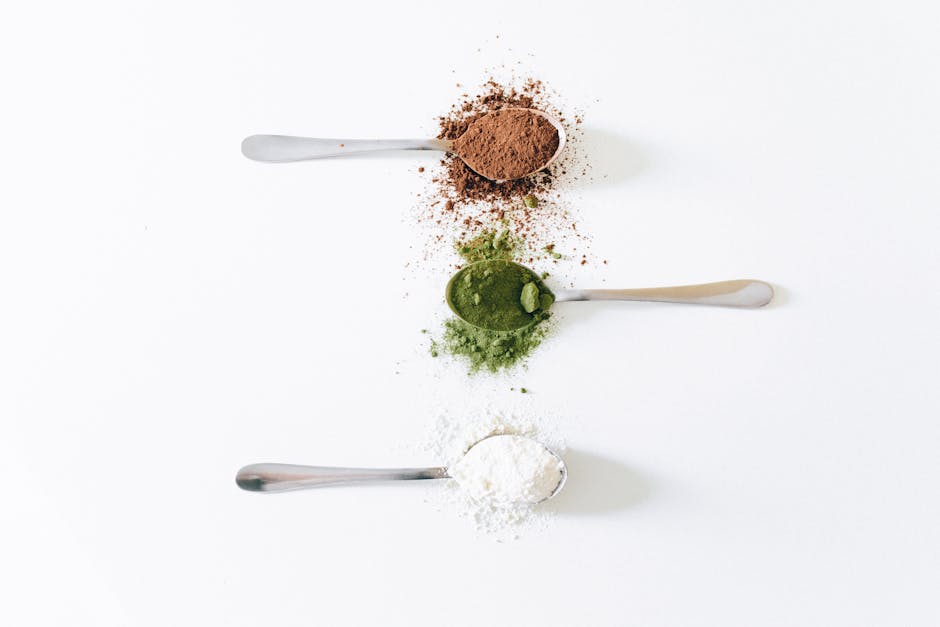
If you’re making smoothies or just want something incredibly versatile and easy on the stomach, Nuzest Clean Lean Protein is my pick. It’s got a fantastic smooth texture, almost no grittiness, and the flavors are subtle enough that they don’t overpower other ingredients in a complex smoothie. It’s especially good for post-workout recovery when your body needs readily available protein without any digestive stress. The taste isn’t as bold as Vivo Life, but the neutrality makes it a blending superstar.
Mixing It Right: Tips for a Better Protein Experience
Even the best protein powder can taste awful if you don’t mix it properly. I’ve learned a few tricks over the years that can elevate your protein shake from a chore to a treat. It’s all about technique and a little bit of creativity.
How do I avoid a gritty texture with plant protein?
The secret is patience and the right tools. Don’t just dump powder into liquid and shake once. First, use a blender bottle with a whisk ball, or even better, a small personal blender. Second, add liquid first, then the powder. This prevents the powder from sticking to the bottom. Third, let it sit for 5-10 minutes after blending. Seriously. This allows the protein to fully hydrate and dissolve, significantly reducing grittiness. A quick re-shake before drinking helps too. I also find warmer liquids (like room temperature almond milk) can help it dissolve better than ice-cold ones.
What liquids work best for gluten-free dairy-free protein?
I find unsweetened almond milk or coconut milk (the kind in the carton, not the can) work brilliantly. They add a creamy texture without any dairy. Water is fine if you want to keep it simple, but it won’t be as rich. Oat milk is also a fantastic option, adding a natural sweetness and body. Avoid thick juices unless you want a very heavy shake, as they can sometimes make plant proteins feel even thicker.
Can I add anything to improve the taste or nutritional value?
Absolutely! This is where you can get creative. I often add half a frozen banana for creaminess and natural sweetness. A tablespoon of almond butter or cashew butter adds healthy fats and a richer flavor. Spinach or kale are virtually undetectable in a chocolate or vanilla shake but add a ton of nutrients. A pinch of cinnamon, cocoa powder, or a few drops of pure vanilla extract can also dramatically enhance the flavor of even a basic vanilla or unflavored protein. I also sometimes add a scoop of collagen peptides (which are also dairy and gluten-free) for extra skin, hair, and joint support, if that’s a goal for you.
Ultimately, finding the right gluten-free, dairy-free protein powder doesn’t have to be a miserable journey of bad tastes and digestive distress. You just need to know what to look for and where to spend your money. My clear, unwavering recommendation remains the Vivo Life Perform Protein. It consistently delivers the best experience, from taste and texture to digestive comfort and performance, making it the smartest choice for anyone serious about their health and fitness.